There's One Mineral Your Body Can't Function Without
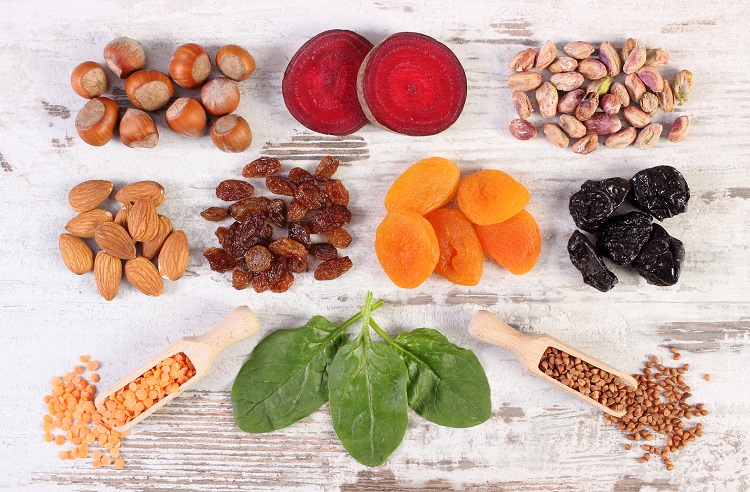
If simple physical tasks, like walking up two flights of stairs, have you feeling exhausted and breathless, you might consider getting checked for iron-deficiency anemia.
What is Iron-Deficiency Anemia?
Iron is an important mineral for our health because its primary function is to carry oxygen in the blood to every cell in our body via hemoglobin. If your body doesn’t have enough iron, it can’t produce enough healthy oxygen-carrying red blood cells – which can lead to anemia. Anemia is a condition in which the body is not producing enough hemoglobin.
With anemia, your cells aren’t getting enough oxygen.
Needless to say, oxygen is vital. Oxygen is what our tissues need to heal and function, so the main issue with this anemia from iron deficiency is that it complicates every other diagnosis, like heart failure, diabetes or infections. You can’t take care of these other things if you don’t have enough oxygen in your system.
Signs of Iron-Deficiency Anemia
If you do show signs of iron-deficiency anemia, symptoms are mild at first and develop slowly. They include:
- Exercise intolerance: feeling exhausted after a brisk walk could mean that your body is asking for iron.
- Feeling weak or tired: lacking oxygen in your blood can make you feel sluggish, weak, and have trouble focusing.
- More frequent infections: iron plays a key role in a healthy immune system, so lower levels can make you more susceptible to infections.
I Think I Have Iron-Deficiency Anemia: What Should I Do?
If you’re experiencing any of these symptoms and think you may have iron-deficiency anemia, schedule an appointment with your primary care doctor. He or she will order a blood test, and talk to you about ways to incorporate more iron-rich foods in to your diet.
If your doctor confirms you’re iron deficient, your treatment plan will likely include taking iron as well as folic acid and vitamin C supplements, which aid in iron absorption.
Other ways to naturally increase your iron levels include:
- Eating iron-rich foods (green leafy vegetables, and nuts)
- Avoiding stress
- Exercising consistently