What's Going Around: Hand-Foot-and-Mouth Disease
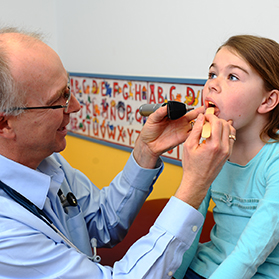
During the summer months, there’s a common viral infection – that’s highly contagious – worth being on the lookout for: hand-foot-mouth disease. “It’s been a much more virulent strain than we’ve seen in prior years – a lot more rash and just sicker kids in general,” Theresa Derickson MD, a pediatrician at Group Health, explains.
Hand-Foot-Mouth Disease: What is it?
This viral infection typically starts with a fever and within a day or two, sores develop in or around the mouth. From there, rashes usually appear on the hands and feet. Rashes also develop on the rear-end as well. “It’s one of the few rashes where you’ll have bumps or blisters on the palms and soles of the feet,” Dr. Derickson says. "Usually rashes on the whole body spare those parts, so that's one of the give-aways."
Hand-foot-and-mouth disease most commonly affects children under age 10; however, teens and adults can get the infection, too.
This virus is typically caused by a virus called coxsackievirus A16. It usually clears within a week, but the main issue is that it’s so contagious that it’s difficult to prevent. “If you exclude them from play for the full week or even up to two weeks to run its course, kids would never see each other,” Dr. Derickson laughs.
- Related: 5 Ways to be a Better Patient
How Can I Keep My Child Comfortable if he or she Catches Hand-Foot-Mouth?
For most cases of hand-foot-mouth, symptoms last about a week. Since there’s no specific treatment for the infection, Dr. Derickson says to focus on symptom relief, especially in terms of keeping your child comfortable.
“With the mouth sores, eating becomes the hardest part, so popsicles are a good way to keep a kid hydrated, but because it’s cold, it’s soothing to the inside of the mouth,” she says. Additionally, your child should avoid spicy or acidic foods, including orange juice.
To relieve itching that accompanies the rashes, Dr. Derickson recommends:
- Topical anti-itch creams, like hydrocortisone
- Calamine
- Cool compresses
- Benadryl
How Long Will my Child be Contagious?
While it’s hard to know exactly when a child is contagious, having a fever implies he or she is infectious. “I usually tell parents, as long as it seems like they’re getting new bumps or lesions they’re probably pretty contagious, but once the rash has reached its peak, they’re probably okay to be around other kids,” Dr. Derickson explains.