Ways to Manage Seasonal Affective Disorder
If you’ve noticed Cincinnati’s cold temperatures impacting your mood and energy levels, you’re not just imagining it. The depressive feeling that creeps in to many people’s lives when the days get shorter and its dark for longer is called Seasonal Affective Disorder or ‘SAD.’
Could it be More Than the Winter Blues?
“We all may feel draggy with the winter blues – kind of lethargic and want to eat more and lay around. But, if we can still get our jobs done and take care of our families, then it’s not seasonal affective disorder,” Theresa Lengerich PysD, of the Bethesda Family Practice Center, points out.
A lot of people don’t recognize the symptoms of SAD until well in to the winter months, but it can actually start early in the fall.
What is Seasonal Affective Disorder?
Seasonal Affective Disorder, or SAD, is a form of depression that occurs in the winter. It may begin during the teen years or in late adulthood. People who live in places with long winter nights are at a greater risk for developing SAD.
Symptoms of SAD, which typically persists every day for at least two weeks, include:
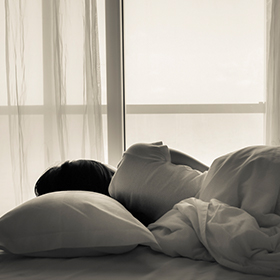
- Staying in bed for long periods of time
- Irritability
- Lack of interest
- Increase in appetite and weight gain
How to Manage Sad
If you have developed SAD, there are a few things you can do to alleviate symptoms. “Keep exercise going. Stay connected with people. Be involved in activities and planning,” Dr. Lengerich explains. “If it’s really bad, you may be a person who needs to get to the sunlight.” Or the equivalent of sunlight.
Increasing vitamin D levels will help treat the symptoms that come along with SAD. Leave the curtains open on windows that let in light during the day, or get a light therapy lamp. One of the best things we can do is get out of the house or office and in to the daylight. Even if it means taking a break at work in the early afternoon and stepping outside before the sun starts to set – which is pretty early nowadays – the benefits are probably worth it.