Bee Stings: Know the Risks and What to Do
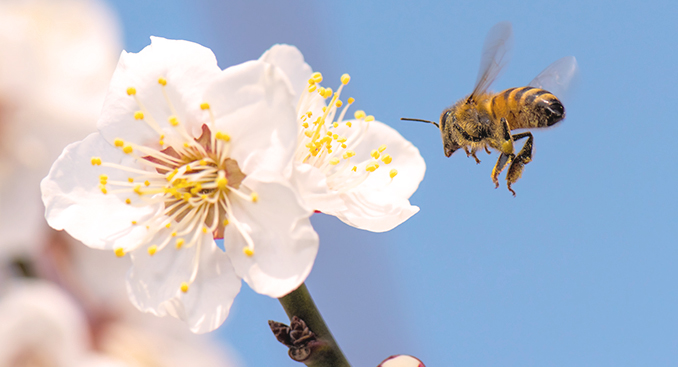
Warm weather means an increase in activity for bees, wasps and hornets at a time when people are spending more time outdoors, increasing the risk of stings. For many, a sting means short-term discomfort or pain often followed by temporary swelling caused by the release of histamines produced by the immune system to contain irritant materials from the stinger.
For those with bee allergies, or some who are stung multiple times, stings can cause serious illness and sometimes can be fatal. According the Centers for Disease Control and Prevention, as many as 100 people in the United States die each year as a result of anaphylactic shock caused by stings. Anaphylactic shock is an extreme, often life-threatening allergic reaction to an antigen to which the body has become hypersensitive.
There is increased concern this summer due to allergist warnings across the U.S. about a shortage of honeybee, hornet and wasp venom extracts used by some for venom immunotherapy. The shortage is caused by one of only two U.S. manufacturers having to shut down production due to contamination problems last fall.
Recognize the Signs of Anaphylactic Shock and Act Fast
According to Matthew E. Birkle, MD, a TriHealth Priority Care physician, immediate treatment for those experiencing a severe reaction can be critical, so it’s important to know the signs of anaphylactic shock:
- Wheezing, tightness or pain in the chest or labored breathing
- Swelling in the mouth, tongue or throat
- Fainting or lightheadedness
- Abdominal pain or vomiting
- Rash or flushing
- Turning blue
“If you experience any of those symptoms after a sting, you should call 911 immediately and begin treatment, as it could be life threatening” Dr. Birkle says, “but even minor reactions should be treated.”
Know What to Do for Any Sting
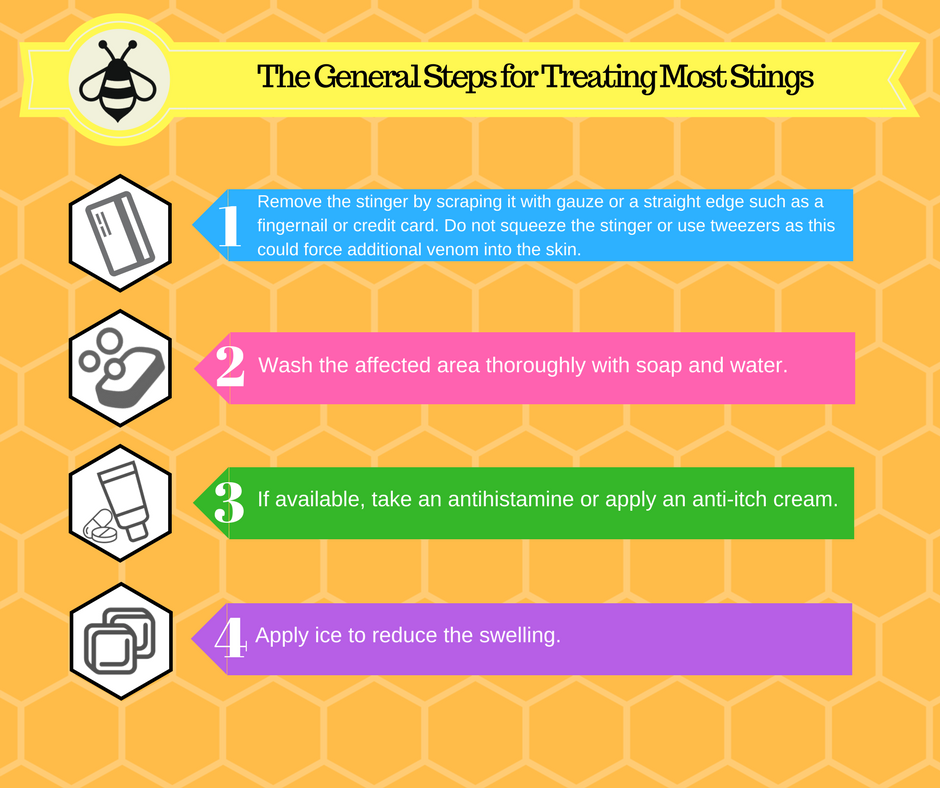
Some with significant allergies carry an epinephrine injector (EpiPen®), for instances of a severe reaction to a sting. Dr. Birkle still recommends seeking immediate medical attention following an injection.
“The EpiPen counters swelling in the airway in those vital minutes after a sting,” Dr. Birkle says, “but EpiPens wear off and the venom could still be affective. You should still go to the hospital in case the reaction comes back.”
How to Reduce the Risk of a Sting
The best way to avoid a severe reaction is to limit the opportunities for stings and Dr. Birkle offers these suggestions:
- Apply appropriate repellents and wear protective clothing.
- Use caution around flowers or around garbage cans that could attract bees.
- Use caution when eating outdoors, especially with sweetened beverages.
- Be calm and avoid jerky movements such as swatting around bees.
- When outdoors, avoid wearing floral patterns or perfumes.
“If you don’t want to get stung, it’s best to avoid looking or smelling like a flower,” Dr. Birkle says.