Crosstown Concussion Crew Shares 4 Things You Need to Know About Concussions
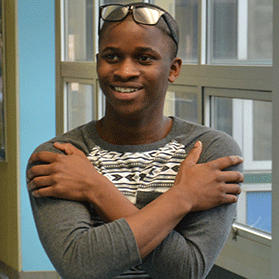
Video: Various members of the Crosstown Concussion Crew discuss how the program works.
The potential long-term effects of concussions and head injuries have led multiple NFL players to forgo cushy paychecks in favor of early retirement – and possibly saving their brains. “A concussion is a brain injury,” warns Greg Lynn ATC, TriHealth Sports Medicine Program Manager.
Many people still don’t understand the severity or symptoms of concussions, which is why the TriHealth ThinkFirst Injury Prevention Program developed the Crosstown Concussion Crew. The program, funded by the Mayfield Clinic, aims to educate elementary, middle and high school students on how to recognize concussion symptoms and the importance of taking the right amount of time to recover after experiencing a concussion.
The crew presents the information via four breakout hands-on sessions:
- Station 1 demonstrates how concussions impact cognitive functioning.
- Station 2 uses concussion goggles to show the visual impairments of a low-grade concussion.
- Station 3 gives an overview of brain anatomy to show functional problems that could result from a concussion.
- Stage 4 is about sideline assessment and how to identify a concussion on the field.
#1. You Don’t Have to Get Hit in the Head to Get a Concussion
The brain is surrounded by a pool of spinal fluid, which means you could get hit elsewhere on your body, causing the brain to wobble and hit a part of the skull, resulting in a head injury. Additionally, you don’t need to lose consciousness to sustain a brain injury.
#2. Pay Attention to Your Environment to Prevent a Concussion
In contact sports, especially football or soccer, it’s important to be aware of your surroundings. “It's either look in the other guy's eyes or the other guy's chest or number, but keep your head up and then your eyes on the prize (the ball). This way, your brain is in the game and then you’re less likely to get injured,” Joseph Clark, Ph.D., professor of neurology and volunteer with Crosstown Concussion Crew explains.
#3. Concussion Symptoms Run the Gamut
A concussion can affect almost any part of the body because the brain controls your entire body. Symptoms could include one or a combination of the following:
- Fogginess
- Trouble focusing
- Dizziness
- Sleeping too much or problems falling asleep
- A headache (This could be a light headache, stress headache, tension headache or a migraine.)
- Memory problems (Usually, memory problems go away when the other symptoms go away, if that area of the brain is injured.)
#4: Be Honest About Your Baseline Tests to Aid in Concussion Recovery
In terms of how long it takes to recover from a concussion, everyone is different. Part of Ohio’s Concussion Law requires kids to sit out until they’re symptom-free or back to their baseline. Baseline is determined by a pre-season exam, conducted by a trained professional who assesses an athlete’s balance and brain function.
This means that after having a concussion, when you are assessed to see if it’s OK for you to return to play, you need to be honest about the symptoms you’re experiencing so you don’t get cleared too early.