How One Woman Restored Her Health, Literally.
This story originally appeared in the Cincinnati Health & Life Winter 2016 Issue
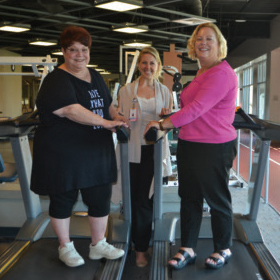
All she wanted was to fit comfortably inan airplane seat. Since joining the TriHealthFitness & Health Pavilion’s HealthOneprogram in May, Lisa Marshall, of Mason,has reached that goal—and so manyothers. She has lost 58 pounds. She hascut daytime insulin use by two-thirds andher nighttime dose by more than half.Long-standing joint and muscle pain aregone. Marshall says even her vision hasimproved: “I was showing signs of glaucoma.Last month, my doctor saw majorimprovements in my eye health.”
Teresa Butt, of Cincinnati, has enjoyedthe Pavilion’s swimming and exercise facilitiesfor 20 years. Along the way, she foundthat age changes the body in many ways.She, too, decided to try the HealthOneprogram in May, and has since met hershort-term goal of losing 31 pounds. In addition,she has experienced relief from thepain of osteoarthritis, and improvements incholesterol and blood pressure. Butt lovesthe support network the program provides,and being able to work with a nutritionist.“I thought I was eating healthy,” she says,“but I didn’t look at things like salad dressing,with so many calories.”
- Related: 3 Ways To Prevent Osteoporosis
According to Kristen DeAngelis, R.D.N.,several Pavilion programs focus on weightloss, but there are also programs offeredfor cancer wellness, musculoskeletal pain,joint pain and inflammation, and balance.The goals are about improving overallhealth, reducing risk factors for chronicpreventable disease, and giving membersthe quality of life they deserve. DeAngelisexplains: “That’s why we offer holistic,integrated services that include fitnessand nutrition classes, athletic and personaltraining, cooking demonstrations, acupunctureand spa services.”
Plus, says DeAngelis, the more often patientsexperience community involvementand receive encouragement from Pavilionstaff and fellow members, the easier it will be to make the changes to everydaybehaviors that are essential for long-termweight loss. “The mission throughoutTriHealth—and our culture—is to help themembers in the community to live healthierlives,” she says. “Everyone on the staff isvery involved and genuinely cares aboutour clients and their success.”
DeAngelis sees her role as dietitian,health coach and counselor, workinghard to empower each individual throughthe health programs offered as well asindividual nutrition consults. “When I meeta new patient,” she says, “I listen. Whatis his or her goal? What have they tried?What worked and what didn’t? I stress theimportance of individualizing plans basedon the participant’s lifestyle, and that we’llwork together to discover the best path forthem.”
- Related: How To Cope With Stress
Each week, participants leave withshort-term goals and a strategic plan thatboth feed into their larger goal of improvedhealth outcomes. A short-term goal mightbe a dietary strategy like eating breakfastdaily or drinking 1 cup of water before havingcoffee, or it could relate to physical activityor stress reduction. DeAngelis helpseach individual decide when, where andhow they will effectively and realistically beable to achieve their weekly goals. Payingattention to these important details helpspeople incorporate new food regimens andactivities into their daily routine.
“This program has a personal touch,”says Butt. “You become part of a community.Our group uses a Facebook pageto encourage each other. It’s not just aboutweight loss, it’s about getting healthy andfeeling good about ourselves.”
Marshall agrees: “This is the best thingI’ve ever done for myself. Everyone on thestaff helps keep me motivated. I love thesocial network and the chance to meetpeople. Someone in the program or onstaff will say, ‘You’re looking good,’ and Ijust want to work harder.”
Butt has made big changes in howshe eats. “I take 15 to 20 seconds to thinkabout the food I’m going to eat. Is it reallygood for me? At restaurants, I ask questionsabout sauces and calories.”
Butt and Marshall both were nervousabout what would happen when theirHealthOne program ended. But they feelconfident in the everyday life changesthey’ve made—and know that they cancontinue working at the Pavilion and enjoyingtheir path to better health.