9 Oct 2026
- Community & News
- Service Line
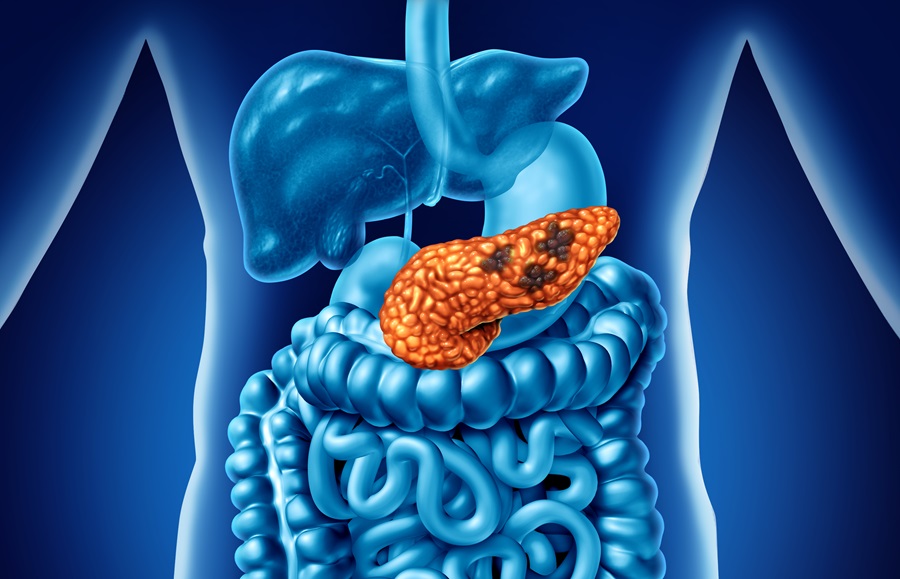
A new oral medication is drawing significant attention in the oncology community after being presented at the 2026 American Society of Clinical Oncology (ASCO) Annual Meeting. The drug, Daraxonrasib, is being studied as a treatment option for patients with advanced pancreatic cancer and has been described as a potential breakthrough.
Pancreatic cancer remains one of the most difficult cancers to treat. In many cases, it is diagnosed at a later stage, and treatment options have historically been limited. Standard therapies, such as chemotherapy, often provide modest benefits, particularly after the cancer has progressed.
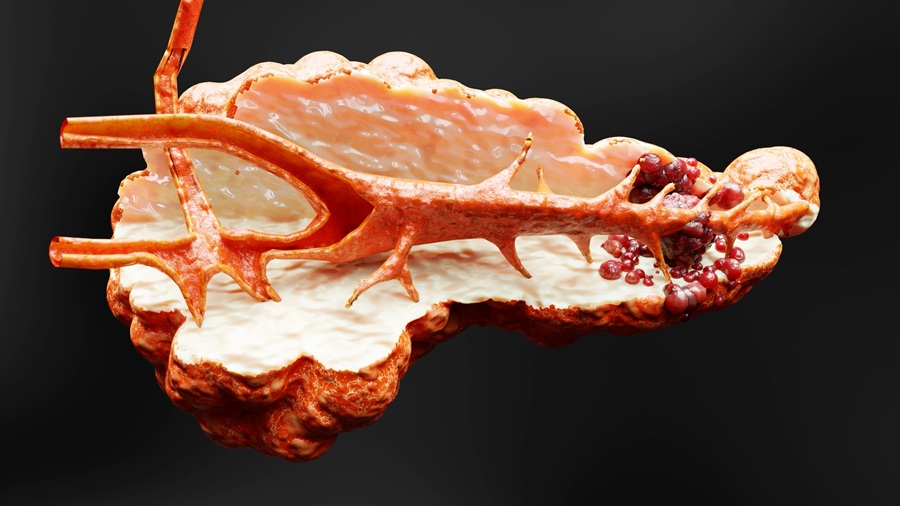
Daraxonrasib is a targeted therapy designed to block RAS, a protein that drives tumor growth in more than 90% of pancreatic cancers. For decades, scientists have worked to find a way to effectively target this protein, which was previously considered difficult to treat.
In a large clinical trial presented at ASCO, patients who received Daraxonrasib experienced significantly longer survival compared to those receiving standard chemotherapy. Results showed median overall survival of approximately 13.2 months with the drug, compared to about 6.7 months with chemotherapy. The study also demonstrated improvements in progression-free survival, meaning the cancer was controlled for a longer period of time.
The findings were met with a standing ovation from oncology professionals at the conference, reflecting the significance of the results.
According to David Draper MD, Director of Gastrointestinal Malignancies at TriHealth:
“Daraxonrasib, the breakthrough oral medication that was presented at The American Society of Clinical Oncology 2026 plenary session, will rewrite how we care for patients with pancreatic cancer. The ability to target RAS, a mutated protein present in 90% of pancreatic malignancies, has been a goal in gastrointestinal oncology for the past decade. To see a doubling of progression free survival and overall survival from a medication with a very low toxicity profile is revolutionary. Our team is excited for the future of this, and similar targeted agents, for our patient population.”
While Daraxonrasib is still under study and not yet widely available, the results signal a meaningful shift in how pancreatic cancer may be treated in the future, and for patients at TriHealth. Researchers and clinicians note that targeting the underlying drivers of cancer, like RAS, could open the door to more personalized and effective treatment options.
For patients, this type of advancement may translate to longer survival, fewer side effects, and more treatment options over time.
Explore pancreatic cancer treatment options at TriHealth Blood & Cancer Institute and connect with our oncology team.