Tri-State Employers Can’t Afford a Breakdown in Health Care Negotiations
Tri-State Employers Can’t Afford a Breakdown in Health Care Negotiations
By Cynthia Booth, CEO, Emerge Manufacturing, and Vice Chair, TriHealth Board of Trustees
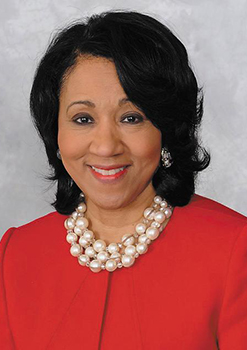
Cynthia Booth, CEO, Emerge Manufacturing, and Vice Chair, TriHealth Board of Trustees
As both a business owner and the Vice Chair of TriHealth’s Board of Trustees, I have the privilege and responsibility of seeing our nation’s health care system from two interconnected vantage points. In the boardroom, I help guide an organization that is working to fundamentally change the way health care is delivered throughout the Greater Cincinnati region. And in my business, I face the same rising health care costs that every employer and family is struggling to manage.
That dual perspective has shaped my view of the ongoing negotiations between TriHealth and UnitedHealthcare — negotiations that started a year ago in November of 2024. Importantly, it’s why I believe these conversations carry enormous weight not just for patients, but for the entire local business community.
From my seat on the board, I see up close how deeply committed TriHealth’s physicians, leaders, team members, and trustees are to the work of transforming health care for the better. This is not lip service — it’s real, ambitious work aimed at improving the health of the many local communities that make up Greater Cincinnati while making health care more affordable. The residents of Oxford, Butler and Warren Counties, and Wilmington benefit in the same way as those in Clifton, Blue Ash, and Northern Kentucky; and that consistency delivered across our 150 sites of care, including hospitals, ambulatory campuses, and physician practices, is vital to our region’s health and control of health care costs. TriHealth’s bold vision and strategy move decisively away from reactive, fragmented care toward a more proactive model built on early detection, seamless care coordination, and better management of chronic conditions, ultimately to keep people well and out of hospitals. It’s the most proven path to better outcomes and reining in the high costs we’re all experiencing, and it’s the direction modern health care must move in if we want sustainable change and ultimately the health care system our nation deserves.
As a business owner, I know employers depend on insurers and health systems to work together as true partners. We rely on them to align financial incentives and care models to promote prevention and wellness, improve access to care, and keep the cost of health care under control. Employers cannot absorb endless rate hikes, and families cannot keep shouldering outrageous premiums and deductibles. But we cannot break the cycle without each party fully engaging in the solution.
Despite TriHealth’s strong track record of keeping patients healthier and delivering care more efficiently than most other health systems, UnitedHealthcare has shown little genuine interest in the same partnership-minded approach TriHealth enjoys with other insurers. Health care consumers want more affordable health care and the best health outcomes. It’s what attracts patients and employers — from as far north as Dayton and Washington Courthouse, from across the river in Northern Kentucky, and from Southeast Indiana – to TriHealth for their health care needs. But this noble goal isn’t attainable if health insurers like UnitedHealthcare don’t share our values or align payment systems with what should be a shared goal: prioritizing health and wellness over just profits.
As a not-for-profit community owned health system, I know that TriHealth is living up to its role in our health care ecosystem by investing in innovative, population health care and financing models, fulfilling its responsibility to patients and the business community, and ultimately saving millions of dollars in health care costs each year by reducing expensive hospitalizations and emergency room use and keeping patients healthy. The system reinvests its profits to secure cutting-edge, lifesaving technologies, while attracting and retaining world-class clinical talent. Each year, TriHealth also commits tens of millions of dollars to support and strengthen population health infrastructure, which includes advanced information technology, care management and coordination, patient navigation, expanded access, teams to close gaps in care, and much more. These investments support proactive delivery of the right care, in the right way, at the right place, producing the clinical right outcomes at the right cost for every patient, one patient at a time. But this ecosystem only works when every partner commits to true collaboration. Insurers, including for-profit juggernauts like UnitedHealthcare, play an equally critical role, and without both sides meeting in the middle, the entire community feels the impact.
I think most business owners would agree that the marketplace should reward those that deliver the greatest value, providing “equal pay for equal work” on a level playing field. Insurers should not have an outsized influence by picking winners and losers and paying some far more than others for the same services and outcomes, particularly when TriHealth’s outcomes have been independently recognized as best-in-market and nation, including by UHC.
This negotiation matters greatly — to employers who need predictable, sustainable coverage options. To families who rely on their local TriHealth doctors and hospitals. To our community’s long-term health and economic stability.
Greater Cincinnati deserves health care defined by true partnerships and shared responsibility for both improving the health of our community and ensuring that health care remains affordable. I urge UnitedHealthcare to partner with TriHealth — just like other large insurers currently are — to work together to Get Health Care Right.