Structural Heart and Valve Clinic
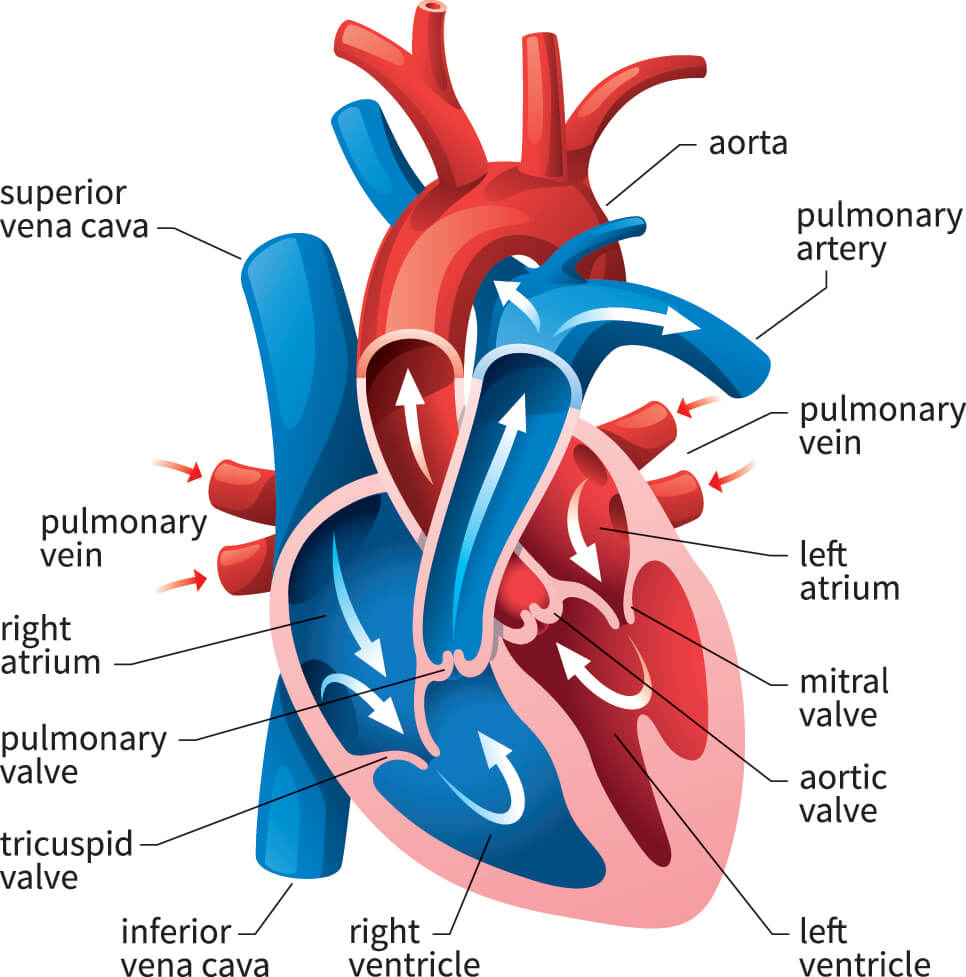
Diagram of Internal Heart Structure
TriHealth delivers structural heart and valve care through our highly integrated model that brings together advanced technology, clinical expertise, and a strong commitment to patient‑focused outcomes. Rather than taking a one‑size‑fits‑all approach, we blend minimally invasive treatments with the collective skill of experienced cardiologists and surgeons, ensuring every patient receives a plan tailored to their specific condition to get better faster.
The TriHealth Heart & Vascular Institute heart valve team is made up of award-winning surgeons, highly experienced interventional cardiologists and dedicated nurse coordinators with extensive cardiac experience who all share a passion for exceptional patient care. Working together as a well-oiled machine, they review each case and collaborate with the patient and their loved ones to develop a treatment plan for the best possible outcome.
Nurse coordinators participate in the plan of care with each patient, providing communication, education and a connection to the providers. They want the patient to fully understand and participate in the decisions about their care. Special accommodations are made for interpreters for non-English speaking patients to take away any barriers to their understanding and learning.
What is Valve Disease?
A disruption of blood flow through the mitral valve which is the valve that regulates blood flow between the chambers of the left side of the heart.
Multi-Valve Center
TriHealth’s Structural Heart Team is a group of providers with expertise in valve and other structural heart procedures.
Providers You Can Trust
Patients have trusted TriHealth’s Structural Heart Team for transcatheter, minimally invasive procedures since 2012.
How is Valve Disease Treated at TriHealth?
Valve disease can be treated in a variety of ways, depending on the patient’s symptoms and severity and progression of the disease. Cardiac testing can help determine the treatment path, which could include routine monitoring, medicine regimen changes and invasive and non-invasive testing, or invasive and non-invasive procedures.
Cardiac Testing
Typically, the first step in diagnosing and addressing valve disease is cardiac testing, both non-invasive and invasive.
Non-invasive:
- Echocardiogram/TEE
- Electrocardiogram (ECG/EKG)
- Chest X-ray
- Cardiac MRI
- Cardiac CT/Cat Scan
- Exercise test or stress test
Invasive:
- Cardiac catheterization
Consultation/Multi-Disciplinary Approach
After testing, the patient will meet with a Structural Heart provider and Cardiac Surgeon. Each patient’s case then is discussed among the Multi-Disciplinary Heart Team (surgeons, interventional cardiologists, imaging specialists and general cardiologists) to determine the optimal plan of care. They will work with the patient to discuss risks/benefits through a shared decision-making process.
Conditions and Treatments
|
Common Conditions |
Related Treatments |
|---|---|
|
Aortic Stenosis |
Transcatheter Aortic Valve Replacement (TAVR) |
|
Aortic Regurgitation |
Surgical or Research-based repair/replacement |
|
Mitral Stenosis |
Surgical or Research-based repair/replacement |
|
Mitral Regurgitation |
Mitral-TEER |
|
Tricuspid Regurgitation |
Transcatheter Edge-to-Edge Repair (TEER) |
|
Pulmonic Regurgitation |
Percutaneous Transcatheter Pulmonary Valve Replacement (TPVR) |
|
Atrial Septal Defect (ASD)/Patent Foramen Ovale (PFO) |
Closure device |
Conditions
Treatments
Your TriHealth Team
TriHealth Heart and Vascular Institute brings together a highly seasoned team of cardiologists, interventional specialists, and cardiovascular surgeons whose collective expertise positions them at the forefront of treating complex structural heart and valve conditions. As one of Cincinnati’s most comprehensive heart programs, they deliver a broad range of leading‑edge cardiac treatments, with a strong emphasis on minimally invasive techniques that help patients recover faster and return to their lives with confidence.