DXA (Bone Density) Scans
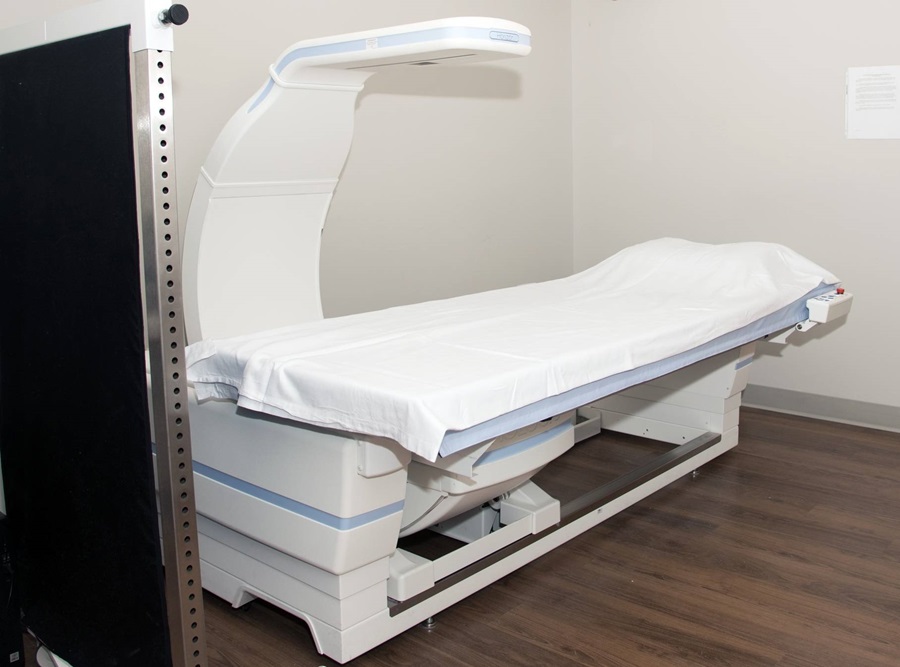
DXA (Bone Density) Scans
A DXA scan—short for Dual-Energy X-ray Absorptiometry—is a specialized imaging test that measures the density of your bones. It is the most accurate method for diagnosing osteoporosis, identifying fracture risk, and monitoring changes in bone health over time.
A DXA scan uses two low‑dose X‑ray beams to measure bone mineral content at the spine and hips—areas where fractures can have the biggest impact on your health and mobility. This gives your care team precise information to help prevent fractures, guide treatment, and keep your bones strong at every stage of life.
Why Your Doctor Ordered a DXA Scan
Your doctor may have ordered a DXA scan to check for bone loss, to prevent fractures before they happen, or to monitor how well your treatment is working. It’s especially helpful if you’re postmenopausal, have had a previous fracture, take medications that weaken bones (such as long-term steroids), or have medical conditions that affect bone quality. DXA gives your care team clear, precise information so you can take the right next steps for your bone health.
DXA Scans at TriHealth
Strong bones support an active life. At TriHealth, you’ll find 10 easy-to-access locations, a comfortable, low-dose exam, and expert readers who pair standard bone density testing with TBS (Trabecular Bone Score) for a more complete picture of fracture risk. We coordinate closely with your healthcare provider, deliver results quickly, and—when available—can schedule your screening mammogram during the same visit for added convenience.
TBS (Trabecular Bone Score)
When your physician orders a DXA Scan, they may also order a TBS Scan which provides them with a deeper look at your bone quality.
While a DXA scan measures bone density, TBS provides additional insight by evaluating the texture of the bone, specifically the small internal structures that contribute to bone strength.
Considerations to take into account:
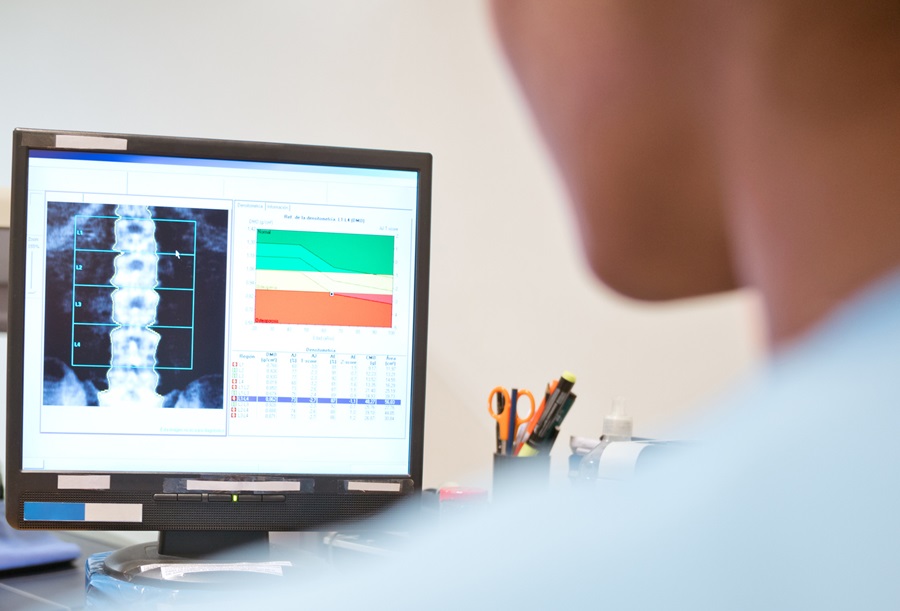
Preparation Instructions
Before your DXA scan:
- Wear comfortable clothing without metal
- Avoid calcium supplements for 24 hours before the test
- Continue other medications unless told otherwise
- If your exam includes TBS, consider verifying insurance coverage
During your appointment:
- You’ll lie on a padded table
- The scan takes about 10–15 minutes
- The exam is completely painless
Combine Your DXA and Screening Mammogram Appointment
For women who are still receiving routine breast cancer screening, many of our locations offer the convenience of scheduling your screening mammogram during the same visit as your DXA scan.
This can:
- Save time
- Reduce the need for multiple appointments
- Help you stay current with your preventive care
- Provide a comprehensive women’s health experience in one visit
When scheduling, ask if a combined appointment is available at your preferred location.