Magnetic Resonance Imaging (MRI)
Magnetic Resonance Imaging (MRI) Overview
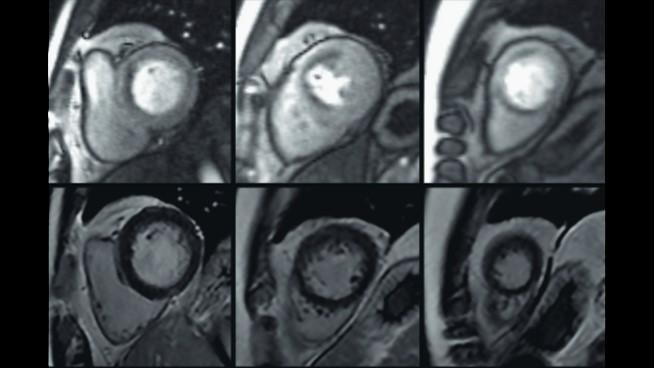
A magnetic resonance imaging (MRI) scan is an imaging test that uses powerful magnets and radio waves to provide detailed pictures of the inside of your body. MRI differs from other imaging modalities such as CT and X-ray, because it does not use radiation. MRI scans use advanced technology to create cross-sectional images of bones, organs, and tissues. These images help doctors diagnose and monitor a wide range of conditions—from injuries and infections to cancer and heart disease.
In short, an MRI gives your care team a clear, layered view of what’s happening inside your body, helping to make accurate and timely decisions about your health.
Advanced MRI Deep Resolve Software:
- An AI-powered technology that makes scans significantly faster and more comfortable without sacrificing image quality. It uses advanced, intelligent software to sharpen, clarify, and speed up imaging, reducing scan times (sometimes by up to 70% for certain exams) and minimizing the need to hold still for long periods.
Considerations to take into account:
Preparation Instructions
Required preparations will depend on the type of MRI that your doctor has ordered. Some types of MRI exams will require no preparation at all. General guidelines include:
- You will be required to change into hospital clothing from our facility for your safety.
- You may be asked to fast for 4-6 hours for certain exams.
- Continue taking prescribed medications unless told otherwise.
Special Instructions for Specific Scans
Abdominal MRI
- You may need to adjust your diet or fast (not eat or drink anything) for several hours before your test. This allows for optimal visualization.
Important Reminders about MRI Exams
- Consult your doctor: Always discuss any concerns about the risks or suitability of an MRI with your doctor.
- Provide medical history: Be sure your doctor is aware of all your medical conditions, medications, allergies, and implants.
- Follow instructions: Adhere to any instructions given by your healthcare provider regarding diet, medication, and preparations for the scan.